Loading...
Serving Portsmouth, NH and surrounding areas. (603) 956-1359
Advanced Portsmouth Insulation is an insulation contractor serving Rochester, NH with attic insulation, spray foam, blown-in insulation, and air sealing - for Strafford County homeowners who want a warmer home and lower heating bills, backed by an experienced crew that has served the Seacoast region since 2019.
Rochester has a large inventory of older commercial and mixed-use buildings, many dating to the mill era, that lose significant heat through uninsulated walls and roofs. Our commercial insulation service covers warehouses, office buildings, multi-family properties, and retail spaces throughout the city, with materials and installation methods suited to each building type.
Rochester averages around 60 inches of snow per year, and homes with inadequate attic insulation pay for it every winter through ice dams, cold upper floors, and heating bills that climb well above what they should be. Adding proper attic insulation is the single highest-return improvement most Rochester homeowners can make before next winter.
Rochester has a large number of pre-war homes with irregular attic framing that does not accommodate standard batt insulation. Blown-in cellulose or fiberglass reaches every corner and covers uneven surfaces evenly, making it the right choice for the older in-town housing stock in Gonic and East Rochester.
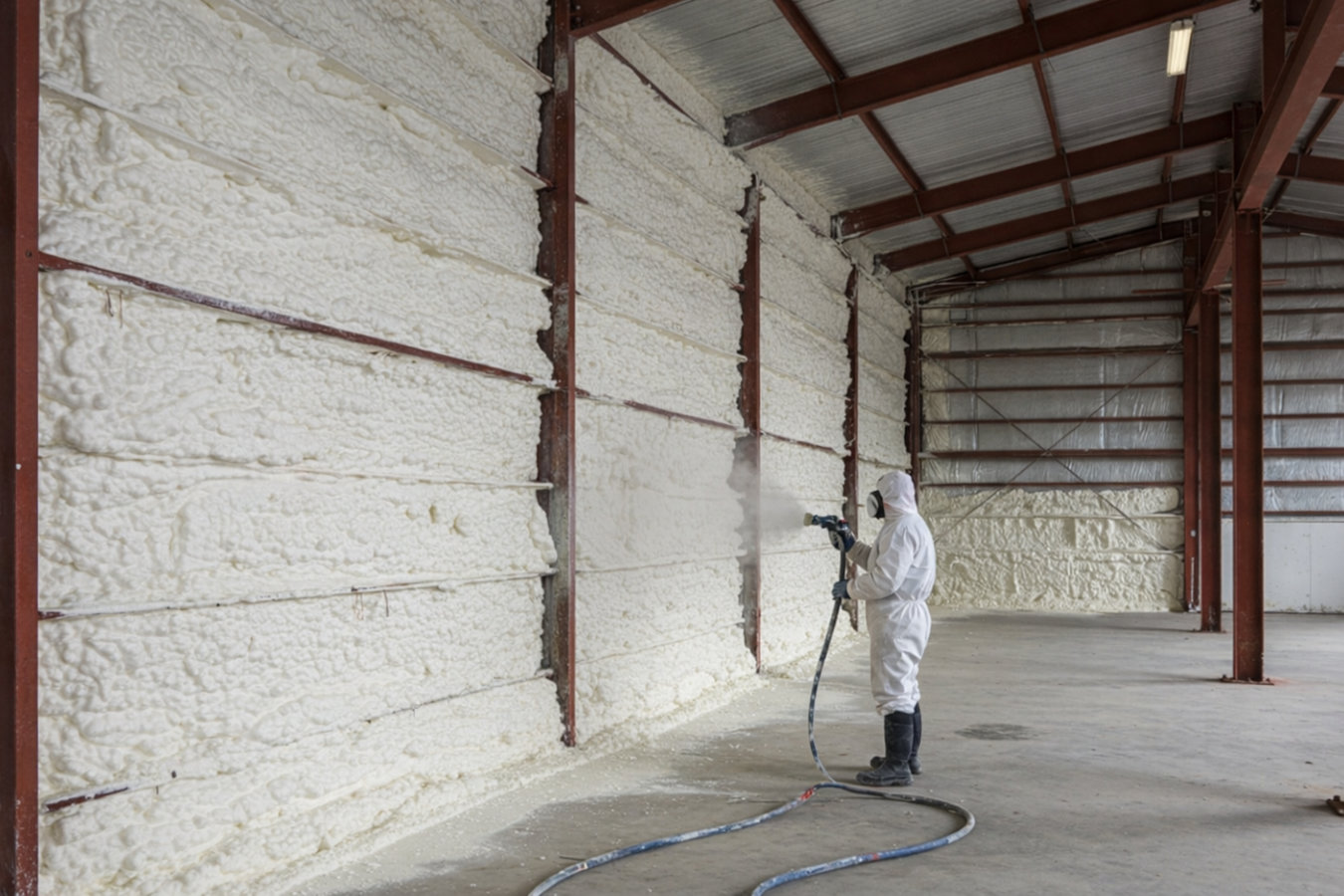
Spray foam seals and insulates in one step, which makes it especially effective for rim joists, basement headers, and crawl space walls in Rochester homes where air infiltration and moisture are both concerns. Older homes with gaps around pipes and beams see immediate improvement after a spray foam application.
Rochester's older two-family and triple-decker homes have decades of gaps that have opened up around joists, electrical penetrations, and plumbing chases. Air sealing those bypasses before adding insulation is the step most contractors skip - and the one that makes the biggest difference in actual comfort.
A number of Rochester homes - particularly the older two-story worker cottages near downtown - have uninsulated crawl spaces that let cold air and ground moisture rise directly into living areas. Insulating and encapsulating the crawl space stops cold floors and dampness at the source.
Rochester grew up around textile mills and shoe manufacturing in the 1800s, and that history left behind a large inventory of worker housing that is still occupied today. Many homes in the downtown area, Gonic, and East Rochester were built before 1940 - often with thin walls, original wood framing, and insulation levels set by standards from a different era. These homes lose heat through the attic, the rim joist, and gaps in the building envelope that have widened over decades of settle and seasonal movement. An insulation contractor unfamiliar with pre-war construction can miss the air bypasses that drive most of the heat loss and end up leaving performance on the table.
Rochester winters are demanding. The city averages around 60 inches of snow per year, and temperatures regularly drop below zero in January and February. Frost depth can reach several feet, and the freeze-thaw cycles through late winter and early spring stress foundations, crawl space walls, and basement perimeters. On the other end of the calendar, Rochester summers are warm and humid, which means moisture management matters year-round - not just in winter. Newer subdivisions on the outskirts of the city have different insulation profiles than the older in-town stock, and a contractor who works Rochester regularly knows how to approach both.
Our crew works throughout Rochester regularly, and we understand the local conditions that affect insulation work here. The older neighborhoods near downtown Rochester and around the former mill district are where we see the most in need of attention - homes with original loose-fill that has settled into almost nothing, crawl spaces that have never been touched, and rim joists that are completely open to the cold. The City of Rochester requires building permits for most insulation upgrades, and we handle that process as part of the job.
Rochester covers a large area, and we work across all of it - from the tight lots near Spaulding High School and Frisbie Memorial Hospital in the center of the city to the newer Colonials and Capes on larger lots out toward the Farmington and Milton town lines. Route 16 runs through the middle of the city and is the main corridor we use to reach jobs across Rochester. The variety of home types here - mill-era worker housing, mid-century ranches, and 1990s subdivisions - means no two jobs are exactly alike.
We also serve homeowners in Portsmouth, NH and neighboring communities along the Seacoast corridor, so we are never far when Rochester jobs are on the schedule. If you are in Dover, NH or nearby, we cover that area as well.
Reach out by phone or through our contact form and we will respond within one business day. We will ask about your home's age, the area you want insulated, and any symptoms you have noticed, such as high heating bills or cold rooms.
We schedule a free visit to your Rochester home to inspect the attic, crawl space, basement, or walls - wherever the issue is. We give you a written estimate before any work begins so there are no surprises on cost.
Our crew arrives with the equipment needed to complete the job in one visit whenever possible. For most attic blown-in or spray foam jobs, you can remain in the home while we work - we will let you know if any area needs to be clear.
We walk through the completed work with you before we leave and answer any questions about maintenance or the rebate application process. If a permit inspection is required, we coordinate that through the Rochester Building Department.
We serve all Rochester neighborhoods - from downtown and Gonic to the newer subdivisions on the outskirts. No obligation, no pressure.
(603) 956-1359Rochester is one of New Hampshire's largest cities, with a population of around 32,000 spread across a large geographic area in Strafford County. The city includes several distinct villages - East Rochester, Gonic, and the central downtown area are the most recognized - each with its own character and housing stock. The older core of the city has dense neighborhoods with worker housing from the mill era, while the outer edges transition into suburban subdivisions built from the 1980s through the 2000s. Route 16, the main north-south corridor, runs through the center of the city and connects Rochester to Dover and Portsmouth to the south and Conway to the north. The city is also home to the Rochester Fair, one of New Hampshire's oldest agricultural fairs, held every September.
The housing mix in Rochester reflects the city's history. Pre-war two-family homes and triple-deckers are common near the former mill areas, while Cape Cod and Colonial-style homes on larger lots are the norm in the newer subdivisions. Many in-town homes have original wood clapboard siding under a layer of vinyl, and a significant share of the pre-1940 stock has not had a meaningful insulation upgrade. Rochester's insulation needs are different from a small coastal town - the scale is larger and the range of home types is wider. We are familiar with both ends of that spectrum and work across the whole city. Homeowners in nearby Somersworth, NH will find we serve that community as well.
Creates an airtight seal that dramatically cuts heating and cooling costs.
Learn MoreStops heat loss through your roof and keeps your home comfortable year-round.
Learn MoreHigh-density foam offering superior R-value and moisture resistance.
Learn MoreFlexible foam that fills irregular spaces and provides excellent soundproofing.
Learn MoreEnergy-efficient insulation solutions tailored for commercial buildings.
Learn MoreBlocks ground moisture from entering your crawl space and living areas.
Learn MoreProfessional vapor barriers that prevent condensation and mold growth.
Learn MoreRochester winters are hard on homes without proper insulation. Call us today or request a free estimate online - we respond within one business day.