
Loading...
Serving Portsmouth, NH and surrounding areas. (603) 956-1359
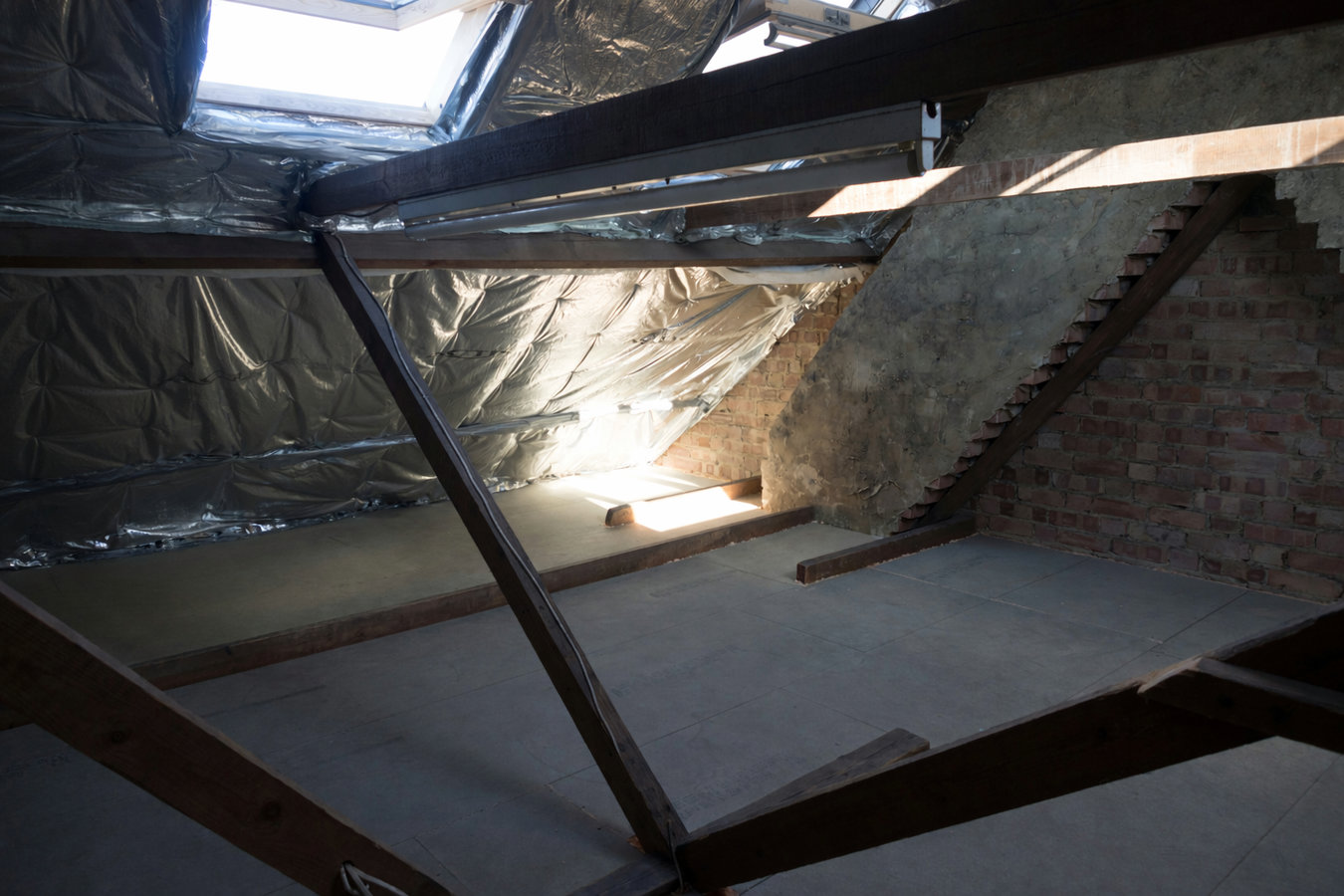
Advanced Portsmouth Insulation provides insulation contractor services in Durham, NH, including attic insulation, spray foam, and air sealing - for homeowners near UNH and throughout the Oyster River corridor who want lower energy bills and homes that stay comfortable through New Hampshire winters, with a crew that has served the Seacoast region since 2019.
Durham gets around 50 to 60 inches of snow in a typical winter, and the freeze-thaw cycles that follow are hard on any attic with inadequate insulation. Homes near the UNH campus built in the 1940s through 1960s often have shallow attic insulation that no longer meets current performance levels. Our attic insulation service brings these older homes up to code and stops the heat loss responsible for ice dams and high heating bills.
Durham homes near the Oyster River and Great Bay deal with elevated soil moisture and high water tables, especially in spring. Closed-cell spray foam on rim joists and foundation walls creates a vapor-resistant seal that prevents ground moisture from migrating into the floor system and living areas above.
Mid-century wood-frame homes in Durham develop air bypasses around framing connections, pipes, and ceiling penetrations that become significant sources of heat loss over time. Sealing those bypasses before adding insulation is what makes the attic upgrade deliver the energy savings it promises.
Some Durham neighborhoods near the Oyster River sit on low-lying lots where crawl spaces are exposed to ground moisture through much of the year. Insulating and encapsulating the crawl space controls that moisture, keeps floors warmer in winter, and reduces the musty odor that can work its way into the home from a wet crawl space.
Durham's mid-20th century homes often have attic framing with irregular bays and existing insulation that has settled or compressed over the decades. Blown-in cellulose or fiberglass fills in around existing material and reaches every corner of an irregular attic floor without requiring open-wall access.
Properties near Great Bay and the Oyster River floodplain are among the most moisture-exposed in the Seacoast region. A properly installed vapor barrier in the crawl space or basement reduces ground moisture migration into the building, protects floor framing from rot, and helps keep energy costs in check through the year.
Durham is a small town dominated by the University of New Hampshire, and the residential housing stock reflects that. Many of the owner-occupied homes surrounding the campus were built between the 1920s and 1960s - an era when insulation standards were minimal by today's measures. These older wood-frame homes with original siding and attic decking lose heat rapidly during Durham's cold winters, which regularly bring 50 or more inches of snow and temperatures well below freezing for months at a time. The freeze-thaw cycles that run from November through April are one of the most demanding climate conditions in the New Hampshire Seacoast region, and they stress every part of the building envelope - particularly attics and crawl spaces with inadequate coverage.
The Oyster River and its proximity to Great Bay give Durham a higher moisture exposure than most inland New Hampshire towns. Neighborhoods on low-lying lots near the river deal with elevated water tables in spring and after heavy rains, which means crawl spaces and basement walls face more moisture pressure than in drier parts of the Seacoast. Vapor management is not optional in these locations - it has to be part of any insulation strategy. Durham also has a notable share of rental properties mixed into its residential areas, but for homeowners who plan to stay long-term, proper insulation protects a significant investment in a town where home values sit well above the state average.
Our crew works throughout Durham regularly, and we understand the local conditions that affect insulation work here. The homes clustered near the University of New Hampshire campus tend to be the smallest and oldest, and they often have the most to gain from an attic upgrade. The neighborhoods along Route 108 and Mill Road have a mix of mid-century single-family homes and newer construction that each present different insulation profiles.
The homes closest to the Oyster River corridor and the wetland areas near Great Bay require extra attention to moisture control. We routinely inspect crawl spaces and basement rim joists in this part of Durham for signs of condensation and wood deterioration before recommending a scope of work. Permit applications for insulation in Durham go through the Durham Building and Zoning Department, and we handle the permitting process on behalf of our customers. We also serve homeowners in neighboring Dover, NH, which sits just a few miles east and has a similar mix of older wood-frame homes that benefit from the same insulation strategies.
Contact us by phone or through our estimate form and we will follow up within one business day. We will ask about your home's age, which area you want to address, and any symptoms you have noticed such as high heating bills, cold floors, or moisture in the crawl space.
We come to your Durham home at no charge to inspect the attic, crawl space, basement, or walls. You receive a written estimate before any work is scheduled so there are no surprises on cost.
Our crew arrives with all materials and completes most attic jobs in a single day. Crawl space and spray foam projects may take longer depending on scope. You can stay in the house throughout attic and crawl space work.
We fully clean the work area before leaving and walk you through what was installed. We can also document the work for your NH Saves rebate submission and answer questions about ongoing maintenance.
We serve homeowners throughout Durham - near UNH, along the Oyster River, and out on Route 108. No obligation. Written estimate before any work begins.
(603) 956-1359Durham is a small New Hampshire town of about 15,000 people, shaped almost entirely by the presence of the University of New Hampshire at its center. UNH is the state's flagship public university, and it gives Durham a population mix that is unusual for a Seacoast town - a large student and faculty community alongside a smaller core of long-term homeowners. The Oyster River runs through the town and empties into Great Bay, one of the largest tidal estuaries in New England, which gives Durham a distinctive natural setting and waterfront character. Most of the town's residential streets are lined with mature trees and set on wooded lots, particularly on the outskirts of the downtown core.
The housing stock near the university is predominantly mid-20th century wood-frame construction, with some older homes from the early 1900s mixed in along the streets closest to campus. Away from the university, Durham has larger residential lots with newer construction and some of the area's most naturally buffered neighborhoods. We work throughout Durham and also serve homeowners in nearby Newmarket, NH, which sits just to the west and shares many of the same Oyster River watershed moisture conditions that Durham homeowners deal with.
Creates an airtight seal that dramatically cuts heating and cooling costs.
Learn MoreStops heat loss through your roof and keeps your home comfortable year-round.
Learn MoreHigh-density foam offering superior R-value and moisture resistance.
Learn MoreFlexible foam that fills irregular spaces and provides excellent soundproofing.
Learn MoreEnergy-efficient insulation solutions tailored for commercial buildings.
Learn MoreBlocks ground moisture from entering your crawl space and living areas.
Learn MoreProfessional vapor barriers that prevent condensation and mold growth.
Learn MoreCall us or submit an estimate request today - we respond within one business day and serve all of Durham, from the UNH area to the Oyster River corridor.