Loading...
Serving Portsmouth, NH and surrounding areas. (603) 956-1359
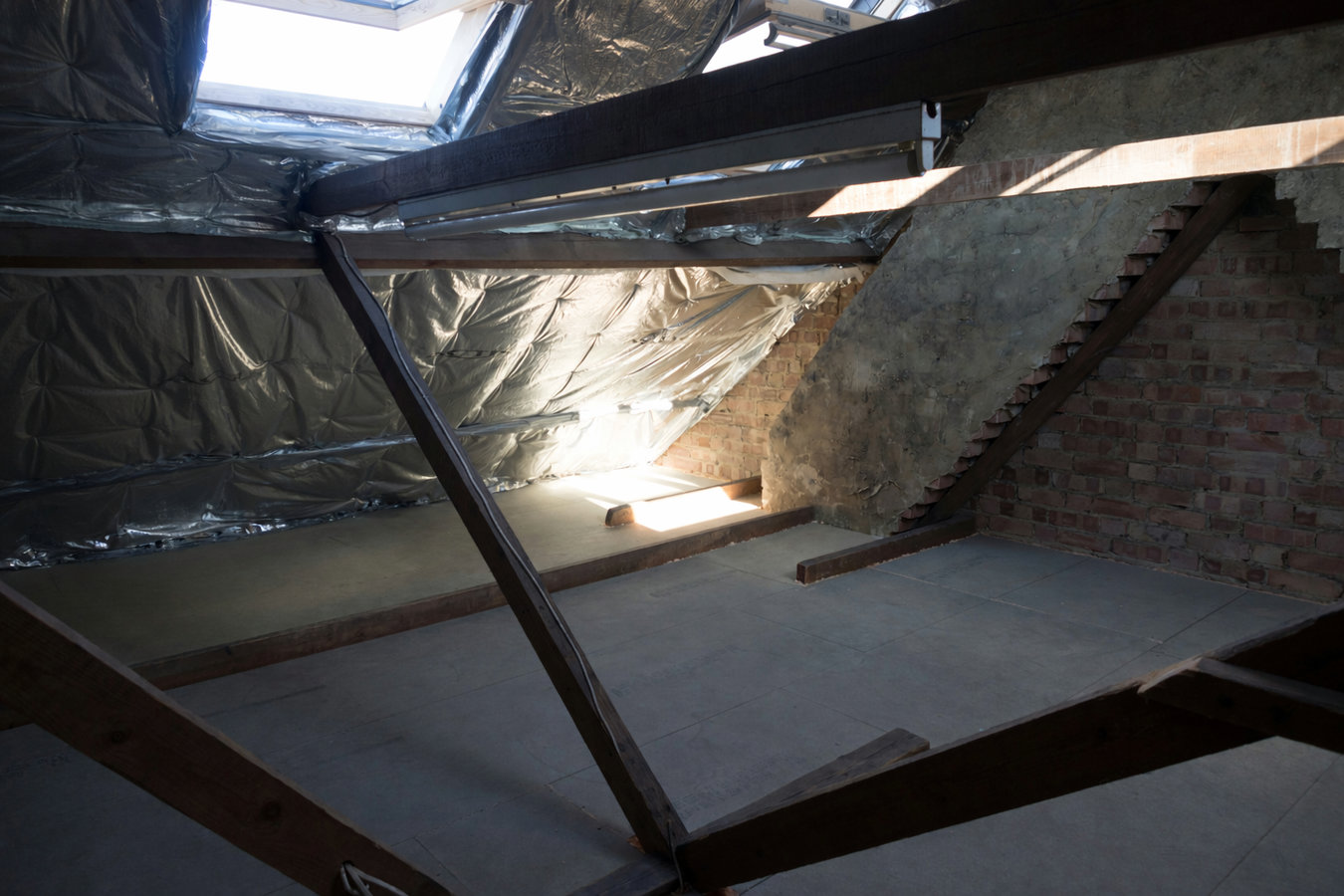
Heat rises. Without enough attic insulation, it escapes right through your ceiling all winter. The right depth stops that loss, cuts your heating bill, and keeps ice from building up on your roof.
Attic insulation in Portsmouth, NH acts as the thermal barrier between your living space and the outdoor cold - properly installed, it should keep attic joists fully buried in material, and most jobs are completed within a single day. Portsmouth is one of the oldest cities in the country, and a large share of its housing stock was built before modern insulation standards existed. What is in many local attics has settled, compressed, or been partially disturbed by past renovations over the decades.
The federal government recommends that homes in New Hampshire have attic insulation roughly 13 to 18 inches deep depending on the material used. Many older Portsmouth homes fall well short of that. A good contractor will not just pile new material on top of what is already there - they will seal air leaks around light fixtures, pipes, and the attic hatch first. Skipping that step leaves a significant amount of heat loss in place even after the job is done. If you need the old material removed before upgrading, our blown-in insulation and attic air sealing services are often combined to address the full attic in one visit.
Portsmouth's coastal humidity also adds a moisture dimension that inland homeowners do not always have to consider. Moisture that gets into attic insulation can cause it to clump, lose effectiveness, and eventually contribute to mold or wood rot. A contractor working in Portsmouth should always check attic ventilation and moisture conditions before installing new material.
Heat rises, and if there is not enough insulation to stop it, it escapes straight through your ceiling all winter long. Portsmouth's long heating season means even a modest insulation gap costs real money month after month. If your bill keeps going up without any change in habits, your attic is likely where the heat is going.
If a bedroom or hallway directly below the attic stays noticeably colder than the rest of the house, that is a strong sign the insulation above it is thin or missing. This is especially common in older Portsmouth homes where insulation was added unevenly or has settled over decades. You should not have to pile on blankets in a room that is supposed to be heated.
If you peek into your attic and can clearly see the wooden beams running across the floor, your insulation level is almost certainly too low for a New Hampshire winter. Properly insulated attics should have material deep enough that the joists are completely buried. This is one of the easiest self-checks a homeowner can do before calling a contractor.
Ice dams - the thick ridges of ice that build up along the edge of your roof - are a classic sign that heat is escaping through your attic and melting snow unevenly. Portsmouth gets enough winter precipitation that ice dams are a real and recurring problem for homes with inadequate attic insulation. They can cause water to back up under your shingles and leak into your ceiling.
We install blown-in loose-fill insulation and batt insulation depending on what your attic requires and what is already in place. Blown-in is especially effective in older Portsmouth homes because it fills gaps and odd-shaped spaces around irregular framing that batts cannot reach. Before any material goes in, we seal air leaks around fixtures, pipes, and the attic hatch - the step most contractors skip and the one that makes the biggest difference in performance. Our blown-in insulation service handles the full loose-fill installation from prep through cleanup.
We also offer complete attic air sealing as a standalone service or combined with insulation in a single visit. If your home has old or damaged insulation that needs to come out first, we handle removal and disposal before the new material goes in. Every job includes a final depth check to confirm coverage meets the standard for your specific climate zone.
Best for older homes with irregular framing - fills every gap and corner that batts leave behind.
Pre-cut blankets sized for standard framing bays, ideal for new or recently renovated attic spaces.
Sealing around light fixtures, pipes, and the attic hatch before insulation goes in - essential for real performance.
Safe removal and disposal of degraded, settled, or moisture-damaged insulation before a full upgrade.
Portsmouth sits in a climate zone where temperatures regularly drop below 20 degrees Fahrenheit for weeks at a time, and the heating season stretches from October through April. That extended cold puts constant pressure on your attic insulation - any thin spots or gaps let heat escape steadily for months, not just a few cold nights. Portsmouth homeowners feel the difference between adequate and excellent insulation far more than homeowners in milder climates do.
Portsmouth's proximity to the Atlantic coast also means homes here deal with higher humidity levels than inland New Hampshire communities. Moisture that gets into attic insulation can cause it to clump, lose effectiveness, and eventually contribute to mold or wood rot. Homeowners in Stratham and Newmarket face similar conditions. Portsmouth homeowners served by Eversource may also qualify for rebates through the NHSaves program, which can offset a meaningful portion of the project cost. According to the ENERGY STAR program, properly sealing and insulating can save the average homeowner up to 15 percent on total heating and cooling costs.
We respond within 1 business day. We will ask about your home's age, roughly how big your attic is, and whether you have noticed specific problems like cold rooms or ice dams. No lengthy intake - just a straightforward conversation to figure out next steps.
We come to your home and actually go into the attic - not just look at it from the hatch. We measure what is already there, check for air leaks around pipes and fixtures, and look for moisture or ventilation issues. This visit is what separates a real estimate from a guess.
After the assessment you receive a written estimate covering recommended work, materials to be used, and total cost. We explain what we found and why we are recommending what we are. This is also when we confirm whether the work qualifies for NHSaves rebates.
We seal air leaks first, then install insulation. Most jobs take two to five hours. The crew works entirely in the attic - no workers moving through your living space. When done, we do a final depth check and walk you through what was installed.
We respond within 1 business day. There is no obligation - a free on-site estimate just shows you what your attic actually has. After you submit, someone from our office calls to schedule a time that works for you.
(603) 956-1359We seal air leaks around fixtures, pipes, and the attic hatch before any new insulation goes in. Skipping this step is the most common shortcut in the industry - and it leaves meaningful heat loss in place even after the job is done.
We come to your home, go into the attic, and measure what is there before you commit to anything. A written estimate covers scope, material, and total cost with no vague ballparks. You know exactly what is planned before we start.
A large share of Portsmouth's homes were built before 1940, with irregular framing and settled old insulation that standard approaches do not handle well. We work in these homes regularly and know what actually performs in this kind of construction.
Ice dams are a recurring problem on older Portsmouth roofs with inadequate attic insulation. Properly insulating and sealing your attic keeps heat inside where it belongs - so your roof stays cold, snow melts evenly, and water stops backing up under your shingles.
We are a locally based insulation contractor serving Portsmouth and the surrounding Seacoast region. Every attic project starts with a real assessment, uses the right material for the space, and ends with a depth record you can keep. The ENERGY STAR Seal and Insulate program provides independent guidance on what your attic should have - we work to meet those standards on every job.
Blown-in loose-fill material reaches odd-shaped attic spaces and older framing layouts where batts leave gaps.
Learn MoreSeal the air leaks around fixtures, pipes, and the attic hatch before new insulation goes in - the step most contractors skip.
Learn MorePortsmouth winters reward homes that are properly insulated - schedule your free estimate now before the cold season hits.